
In October 1979, returning to Canada after 5 years in Paraguay, living mostly among various indigenous peoples, I stopped over in Coconut Grove (Greater Miami) and was fortunate to then attend a 10-day retreat on an island surrounded by gators, in the Fish-Eating Creek part of the swamps south of Lake Okeechobee with Ron Kurtz, creator of Hakomi and a group of 20. At that time it was just called body-centered psychotherapy or Ron’s work. The Hakomi name came through a dream the following year.
By 1982, I was a certified Hakomi Therapist, and have practiced & taught this elegant, powerful approach to healing, self-awareness and transformation ever since.
The Hakomi Method is a gentle, body-centered approach to psychotherapy and self-discovery. Rooted in mindfulness and loving presence, it invites individuals to explore their inner world by observing how unconscious beliefs and early experiences are expressed through the body and nervous system.
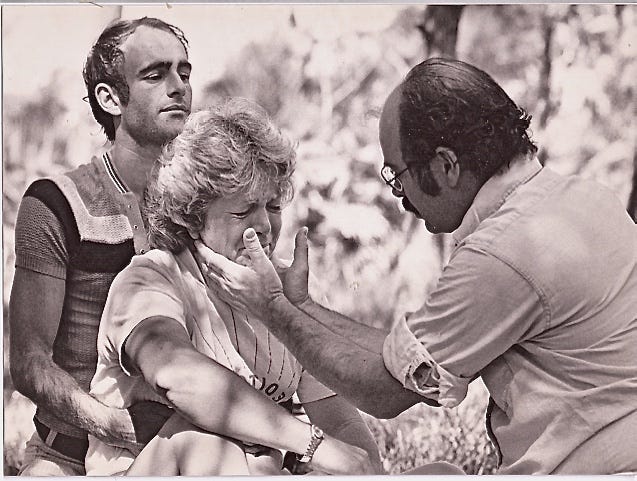
Rather than analyzing the past intellectually, Hakomi helps bring limiting patterns to awareness in real time—through subtle experiments conducted in a safe, supported state of mindfulness. This creates a powerful opportunity for insight, emotional healing, and the rewriting of core beliefs at their somatic root.
Developed by Ron Kurtz, the method blends principles from Eastern philosophy, neuroscience, and humanistic psychology. It’s deeply relational and nonviolent, guided by five foundational principles: Mindfulness, Nonviolence, Unity, Organicity, and Mind-Body Wholism - all lying upon a bed called the Practice of Loving Presence. The inner sage of the client is honoured and listened to. Ultimately, Hakomi opens a path to deeper self-acceptance, embodied wholeness, and compassionate presence—with oneself and others.
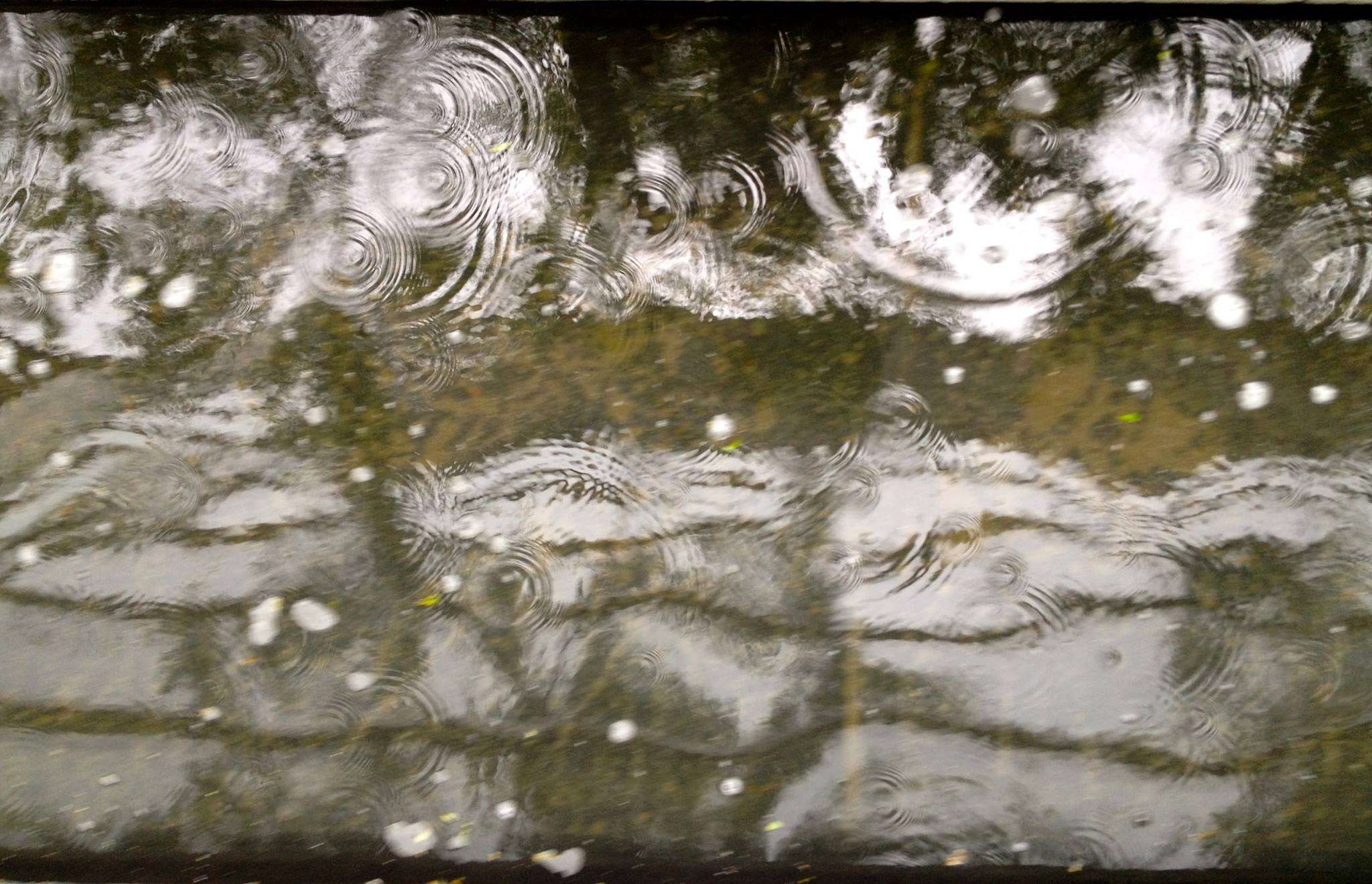
Do you like to OM? Here’s a wee Hakomi-like experiment in mindfulness - intoning the mantram OM (the pebble). The pond’s still surface represents the receptive field of experience, the ripples - what is witnessed.
When mindfulness meets utterance, the magic happens: •OMMM is the pebble •silence - the still surface of the pond •sound waves - the ripples: often data (clues) from the body, intuition or unconscious •study of the ripples accesses a gateway to understanding of both self & Self.
• Hugh’s Hakomi webpage: https://hughsmiley.com/hakomi/
• The Hakomi Institute: https://hakomiinstitute.com/
• Message me here on Substack or email me if you’d like to schedule a session.


